

Champagne Sweetness Chart: Find Your Perfect Dosage Level
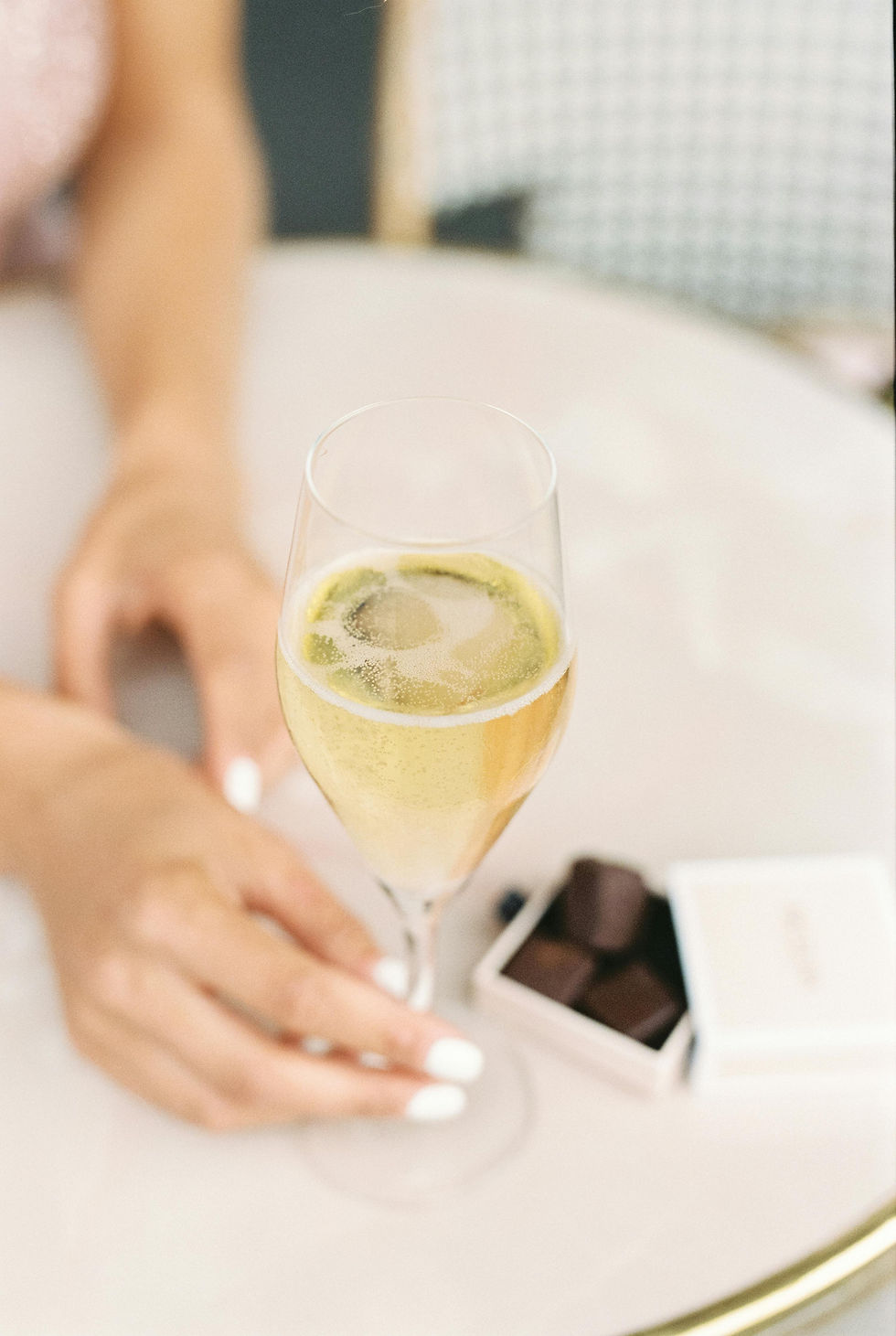
Champagne sweetness is one of the most confusing topics for newcomers. The categories have strange names. The terminology is backward (Extra Dry is sweeter than Brut, for example). And many people are not even sure what "dosage" means.
This chart breaks down every champagne sweetness level so you can understand what you are drinking and find the style that suits your palate.
Understanding Dosage
Before discussing sweetness levels, you need to understand dosage.
Dosage is a small amount of sweetened wine (called the liqueur d'expédition) added to champagne after disgorgement, just before the final cork. This sugar adjusts the final sweetness of the bottle.
The amount of sugar determines which category the champagne falls into. Less sugar means drier, more austere champagne. More sugar means sweeter, rounder champagne.
It is completely intentional and normal. Every single champagne has a dosage (even the ones that say "Zero Dosage," which technically have 0-3 grams of residual sugar).
The Sweetness Spectrum
From driest to sweetest, here is the complete spectrum:
Brut Nature (0-3 g/L residual sugar)
Taste profile: Bone-dry, mineral, austere, chalky, uncompromising.
Also called: Zero Dosage.
What it feels like: When you take a sip, the wine tastes dry to the point of being slightly sharp. No sweetness at all. Pure expression of the grapes and terroir.
Best for: Advanced champagne drinkers. People who love dry wines. Food pairing, especially sushi and oysters.
Food pairing: Oysters, sushi, cured meats, aged cheese.
Example producers: De Sousa, Yves Jacques make excellent Brut Nature champagnes.
Extra Brut (0-6 g/L residual sugar)
Taste profile: Very dry, mineral, elegant, with a slightly softer edge than Brut Nature.
What it feels like: The whisper of sweetness takes the sharpness out of Brut Nature, but the wine is still unmistakably dry. Minerality and precision remain the dominant characteristics.
Best for: Someone who wants dryness but finds Brut Nature too austere. People who appreciate mineral-driven wines.
Food pairing: Light fish, shellfish, aged cheese, cured meats.
Why it matters: The 3-gram difference from Brut Nature sounds tiny, but it creates a noticeably rounder mouthfeel while keeping the wine seriously dry.
Brut (0-12 g/L residual sugar)
Taste profile: Dry, balanced, versatile, the global champagne standard.
What it feels like: The first sip tastes dry. You do not taste sweetness consciously. The wine is balanced and clean.
Best for: Everyone. This is the default champagne for every occasion. New to champagne? Start here. Love champagne? This is still a great choice.
Food pairing: Everything. Brut works with oysters, fish, chicken, cheese, casual snacking, celebration toasts, aperitifs.
Why it dominates: Brut is perfectly balanced between dryness and approachability. It tastes good to virtually everyone. It is not extreme in any direction.
Extra Dry / Extra Sec (12-17 g/L residual sugar)
Taste profile: Slightly off-dry, softer than Brut, but not noticeably sweet to most palates.
What it feels like: If you taste Extra Dry and Brut side by side, Extra Dry feels slightly rounder and softer. But most people drinking just Extra Dry would call it dry.
Best for: Someone who finds Brut slightly too austere and wants a touch of roundness.
Food pairing: Lighter foods (fish, white meat), aperitifs, less ideal for very dry food pairings.
Naming confusion: Extra Dry is confusing because it sounds like it should be drier than Brut. It is not. This is historical champagne terminology that makes no sense to modern ears.
Sec (17-32 g/L residual sugar)
Taste profile: Off-dry, noticeably sweet compared to Brut, but not fully sweet.
What it feels like: When you taste Sec, you taste sweetness. It is no longer dry by any reasonable standard. The fruit becomes the dominant character.
Best for: Rare. Historically popular, but modern drinkers tend to prefer drier styles.
Food pairing: Dessert, spicy food, foods with heat that benefit from sweet counterpoint.
Availability: Not commonly produced by contemporary grower-producers. You will find it occasionally, mostly from older wines or from big houses focused on traditional styles.
Demi-Sec (32-50 g/L residual sugar)
Taste profile: Sweet, round, luscious, dessert-like.
What it feels like: Clear sweetness. Fruit is very prominent. The wine tastes almost dessert-like.
Best for: Dessert pairings. Spicy food. Someone who genuinely prefers sweet wine.
Food pairing: Chocolate, fruit-based desserts, spicy Asian food, foie gras.
Modern production: Less common than it used to be. Contemporary producers tend toward drier styles. When you find Demi-Sec, it is often from established producers or specific regions.
Doux (50+ g/L residual sugar)
Taste profile: Very sweet, syrupy, dessert wine.
What it feels like: This is dessert in a champagne bottle. Pronounced sweetness. The wine is almost syrupy.
Best for: Rare. More of a historical style than modern production. When used, it is for specific sweet applications or traditional celebrations.
Modern availability: Extremely uncommon in contemporary champagne. If you see it, it is likely a vintage bottle or from a producer specifically making traditional styles.
Visual Sweetness Chart
Imagine a scale from left (driest) to right (sweetest):
Brut Nature | Extra Brut | Brut | Extra Dry | Sec | Demi-Sec | Doux
0-3g | 0-6g | 0-12g | 12-17g | 17-32g | 32-50g | 50+g
Bone-dry | Very dry | Dry, balanced | Soft, dry | Off-dry | Sweet | Very sweet
Choosing Your Sweetness Level
New to champagne? Start with Brut. It is the safest, most versatile choice. Impossible to disappoint.
Love dry wine? Try Extra Brut or Brut Nature. These are serious, mineral-driven champagnes for people who appreciate dryness.
Prefer roundness? Extra Dry or light Brut from producers who lean toward softer styles.
Eating dinner with champagne? Brut or Extra Brut. Food pairing requires dryness to cut through richness.
Dessert or sweet food? Demi-Sec. The sweetness balances rather than compounds.
Not sure? Ask us. Tell us what still wines you prefer (dry Sauvignon Blanc, Riesling, etc.) and we will recommend the right champagne sweetness level.
Why Dosage Levels Matter
The dosage level is not just a technical detail. It fundamentally changes how the wine tastes and how it pairs with food.
A Brut Nature and a Demi-Sec from the same producer are completely different experiences. Same grapes, same terroir, same winemaking. The only difference is dosage. Yet the tasting experience is as different as white wine and rosé.
Understanding dosage levels helps you choose champagne intentionally rather than by accident.
Our Recommendation
Develop a relationship with Brut first. Understand how different producers express Brut. Notice the differences between a light, mineral Brut de Blancs and a richer, fruit-forward Brut from the Vallée de la Marne.
Then explore Extra Brut if you want more minerality. Or Extra Dry if you want softness.
Over time, you will develop preferences. You might discover that you love Brut Nature's minerality, or that you prefer the roundness of Extra Dry. Your palate is unique.
The sweetness chart is a tool to help you understand where you are on the spectrum and explore confidently.
FAQ
Is champagne really just wine with sugar added?
Not "just" sugar. Dosage is a precise decision by the winemaker. The amount of sugar is tiny (grams per litre) and is combined with wine, not added arbitrarily. It is craftsmanship, not cheating.
Why are the category names so confusing?
Historical naming conventions. The categories were defined in the 1800s and the names have stuck, even though modern drinkers find them illogical. Unfortunately, they are not changing.
Does dosage hide poor winemaking?
Not if done well. Dosage is used to balance a wine, not to mask flaws. A poor champagne with dosage is still poor. A great champagne with dosage is still great.
Can I taste the difference between Brut and Extra Brut?
Yes, usually. Extra Brut tastes noticeably drier, more austere, more mineral. Side-by-side comparison makes the difference obvious.
Is dry champagne better than sweet?
Neither is better. It is personal preference. Dry champagne is more food-friendly and more versatile. Sweet champagne is more dessert-focused. Neither is objectively superior.
What dosage level do most grower producers use?
Brut is most common, followed by Extra Brut. Many contemporary producers are moving toward drier styles. Doux and Sec are increasingly rare.


